Twins Face Franchise-Defining Decisions on Ryan Jeffers, Joe Ryan, and Pablo López Ahead of Trade Deadline
The next two months could determine the future direction of the Minnesota Twins organization.
As Major League Baseball approaches the July 30 trade deadline, every front office faces difficult decisions regarding roster construction and long-term planning.
For the Twins, however, the stakes may be higher than ever.
Minnesota finds itself balancing immediate playoff aspirations with growing uncertainty surrounding baseball’s labor landscape. With the current Collective Bargaining Agreement set to expire on December 1 and speculation increasing about a potential labor dispute before the 2027 season, organizations across the league are already evaluating future payroll commitments more cautiously.
That uncertainty places several key members of the Twins roster under the spotlight.
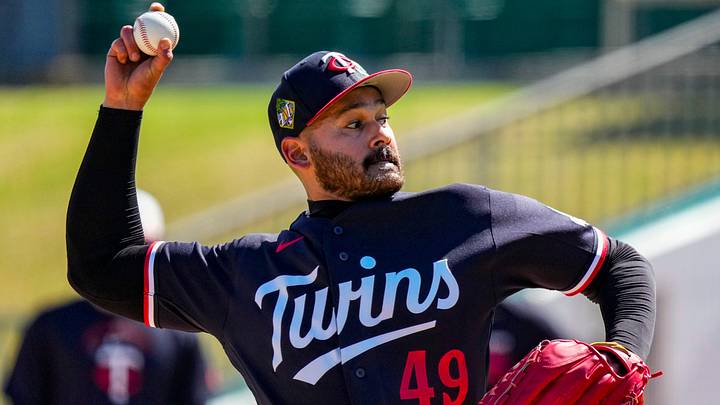
How Minnesota handles catcher Ryan Jeffers, starting pitcher Joe Ryan, and veteran ace Pablo López over the coming weeks could significantly influence the franchise’s trajectory for years to come.
Ryan Jeffers Presents the Most Immediate Decision
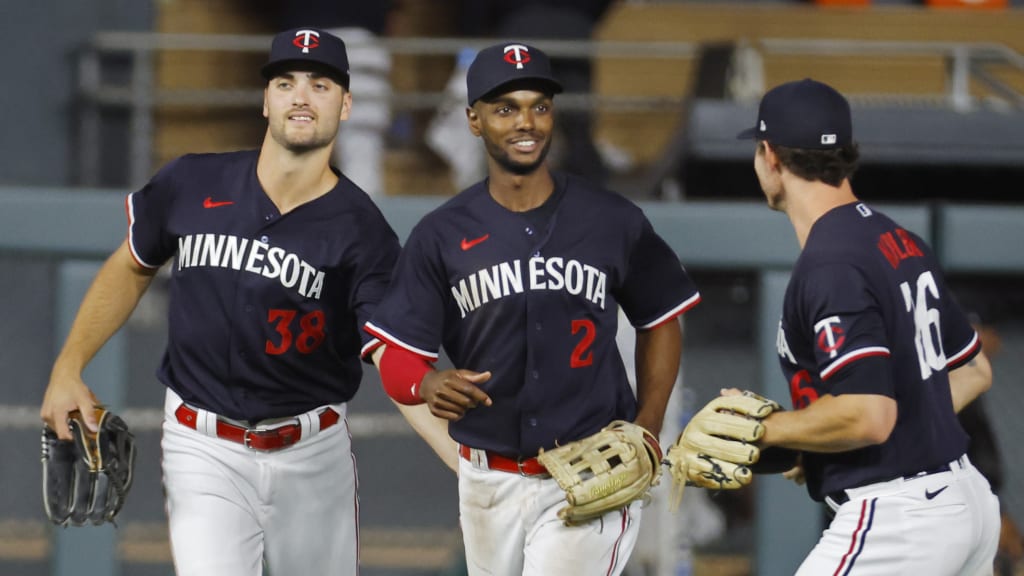
Among the trio, Ryan Jeffers may represent the most urgent situation facing the organization.
The talented catcher has developed into one of the most important offensive contributors on the roster while also establishing himself as a critical part of Minnesota’s leadership structure.
However, Jeffers is approaching free agency at a time when teams throughout baseball are becoming increasingly reluctant to commit significant long-term dollars amid labor uncertainty.
Under normal circumstances, retaining a productive catcher entering his prime years would be a clear priority.
Players who can provide offensive production while handling the demands of the catcher position remain among the most valuable assets in baseball.
The challenge for Minnesota lies in timing.
If extension discussions fail to gain traction before the trade deadline, the Twins could face an uncomfortable reality.
Allowing Jeffers to reach free agency without a long-term agreement risks losing a valuable player for little or no return.
On the other hand, trading him would represent a significant short-term setback for a team still hoping to remain competitive.
The front office must determine whether Jeffers remains part of the organization’s long-term vision or whether maximizing his trade value represents the smarter strategic move.
That decision may arrive sooner rather than later.
Joe Ryan’s Future Creates Another Layer of Complexity
While Jeffers commands immediate attention, Joe Ryan presents a different type of challenge.
The right-hander has developed into one of the most reliable starters in Minnesota’s rotation and remains one of the organization’s most valuable controllable assets.
However, questions regarding future labor negotiations complicate his situation.
Ryan currently remains under team control, but uncertainty surrounding the next labor agreement creates concern about how organizations should value future years of control.
If a lockout were to impact the 2027 season, clubs could potentially lose meaningful portions of player control timelines while still absorbing significant financial obligations.
For a mid-market organization like Minnesota, those considerations matter.
Ryan’s performance over the next several weeks could heavily influence the direction the Twins ultimately choose.
If he continues performing at a high level, Minnesota could pursue a contract extension designed to buy out arbitration years and secure cost certainty.
Such an agreement would allow the organization to maintain one of its most valuable pitching assets while providing stability moving forward.
However, if extension discussions prove difficult or if the Twins drift further from playoff contention, Ryan could quickly emerge as one of the most attractive starting pitchers available on the trade market.
Contending teams are always searching for high-quality starting pitching.
Ryan’s combination of talent, age, and control would likely generate substantial interest from organizations willing to pay a premium.
For Minnesota, the decision ultimately comes down to whether Ryan is viewed as part of the next competitive window or as a valuable asset capable of accelerating a broader organizational reset.
Pablo López Remains the Most Valuable Trade Asset
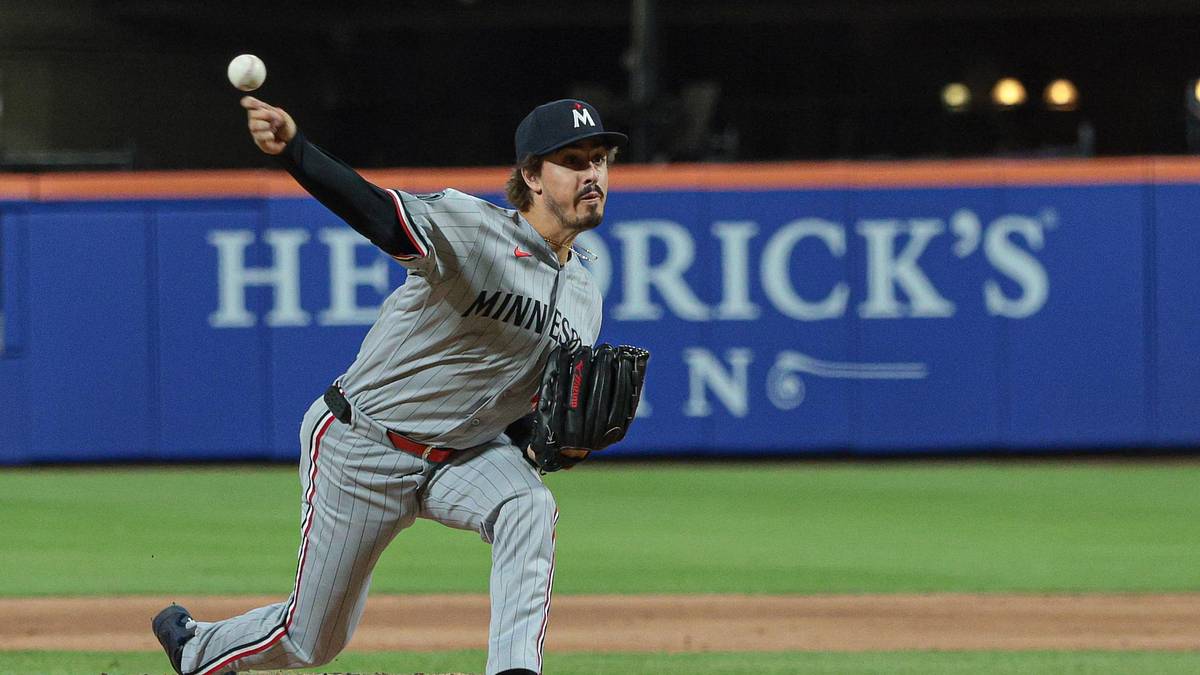
Perhaps no player better illustrates Minnesota’s difficult balancing act than Pablo López.
Unlike Jeffers and Ryan, López already possesses long-term contractual security.
The veteran right-hander remains under team control through a four-year contract extension worth approximately $73.5 million.
At first glance, that stability would appear to make López the least likely member of the trio to be moved.
Yet reality may be more complicated.
The Twins continue operating under payroll constraints while ownership evaluates future financial commitments.
López’s contract represents one of the largest obligations on the roster.
For a contender seeking frontline pitching, that deal could still be viewed as highly attractive.
As a result, López may actually possess the strongest trade value of the group.
Elite starting pitching remains one of baseball’s most coveted commodities.
If Minnesota ultimately decides to prioritize long-term flexibility over short-term competitiveness, López could become the centerpiece of a significant trade package.
Such a move would not simply be about talent evaluation.
It would be about financial strategy.
Moving López’s contract would immediately create payroll flexibility while potentially bringing back multiple younger assets capable of helping shape the organization’s future.
Labor Uncertainty Is Influencing Front Office Decisions
Much of the complexity surrounding these situations stems from broader concerns throughout Major League Baseball.
The possibility of labor unrest following the expiration of the current Collective Bargaining Agreement has become an increasingly important factor in organizational planning.
While no one can predict exactly how future negotiations will unfold, front offices are already preparing for multiple scenarios.
Potential discussions involving salary structures, revenue sharing, competitive balance measures, and payroll limitations could dramatically impact roster-building strategies.
As a result, teams are becoming more selective regarding long-term commitments.
For organizations operating outside baseball’s largest markets, flexibility has become increasingly valuable.
The Twins are no exception.
Every major personnel decision now carries additional financial implications beyond simple on-field performance.
June and July Could Determine the Direction of the Franchise
The next eight weeks represent far more than a routine stretch of regular-season baseball.
For Minnesota’s front office, this period will serve as a critical evaluation window.
If the Twins remain firmly in playoff contention, retaining Jeffers, Ryan, and López could become the preferred path.
A competitive team has little incentive to weaken its roster while pursuing postseason success.
However, if the standings begin to shift in the wrong direction, the calculus changes quickly.
The trade deadline forces organizations to choose between competing in the present and planning for the future.
Few teams can successfully do both.
Minnesota may soon face that exact dilemma.
What Happens Next?
Each of the three players presents a unique challenge.
Jeffers offers premium production at a difficult position but faces impending free agency.
Ryan remains one of the organization’s most valuable controllable arms but carries long-term uncertainty.
López provides stability and elite performance but also represents a significant financial commitment and trade asset.
Individually, each decision would be important.
Collectively, they could define the next phase of Twins baseball.
Whether Minnesota chooses to extend, retain, or trade these foundational pieces will reveal how the organization views its competitive window and financial future.
As the trade deadline approaches and labor uncertainty continues to loom over the sport, the Twins find themselves standing at one of the most important crossroads of the decade.
The choices made between now and July 30 may shape the franchise far beyond the 2026 season.