Orioles Prospect Creed Willems Is Forcing the Issue, but Baltimore May Have a Difficult Decision Ahead
The Baltimore Orioles have spent the past several years building one of the deepest farm systems in Major League Baseball. Even as elite prospects continue graduating to the major leagues, the organization somehow keeps producing new talent.
Just as highly regarded catching prospect Samuel Basallo officially exhausted his prospect eligibility and became a full-time major leaguer, another young catcher is rapidly climbing into the spotlight.
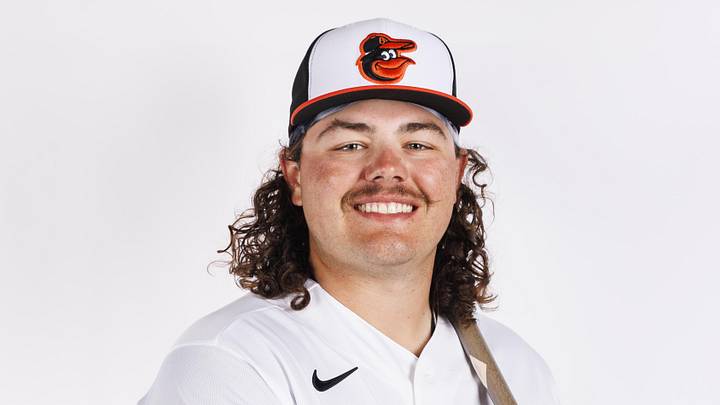
That player is Creed Willems.
After several years of steady development throughout the Orioles organization, Willems is now putting together the kind of breakout season that could force Baltimore’s front office to make a difficult long-term decision.
The challenge, however, is not whether Willems is talented enough to reach the major leagues.
The challenge is figuring out where he would actually play.
Creed Willems Has Quietly Become One of Baltimore’s Top Prospects
When the Orioles selected Willems in the eighth round of the 2021 MLB Draft, he was viewed as an intriguing high-school prospect with offensive upside.
Like many young catchers, his development required patience.
The transition from amateur baseball to professional baseball is rarely smooth, especially for players tasked with handling the physical and mental demands of the catcher position.
Throughout his journey, Willems experienced the typical growing pains associated with climbing the minor league ladder.
Each promotion brought new challenges.
Each level required adjustments.
And each season demanded continued growth.
While his progress was not always linear, the Orioles remained confident in his offensive potential.
That patience now appears to be paying off.
Triple-A Breakout Is Turning Heads
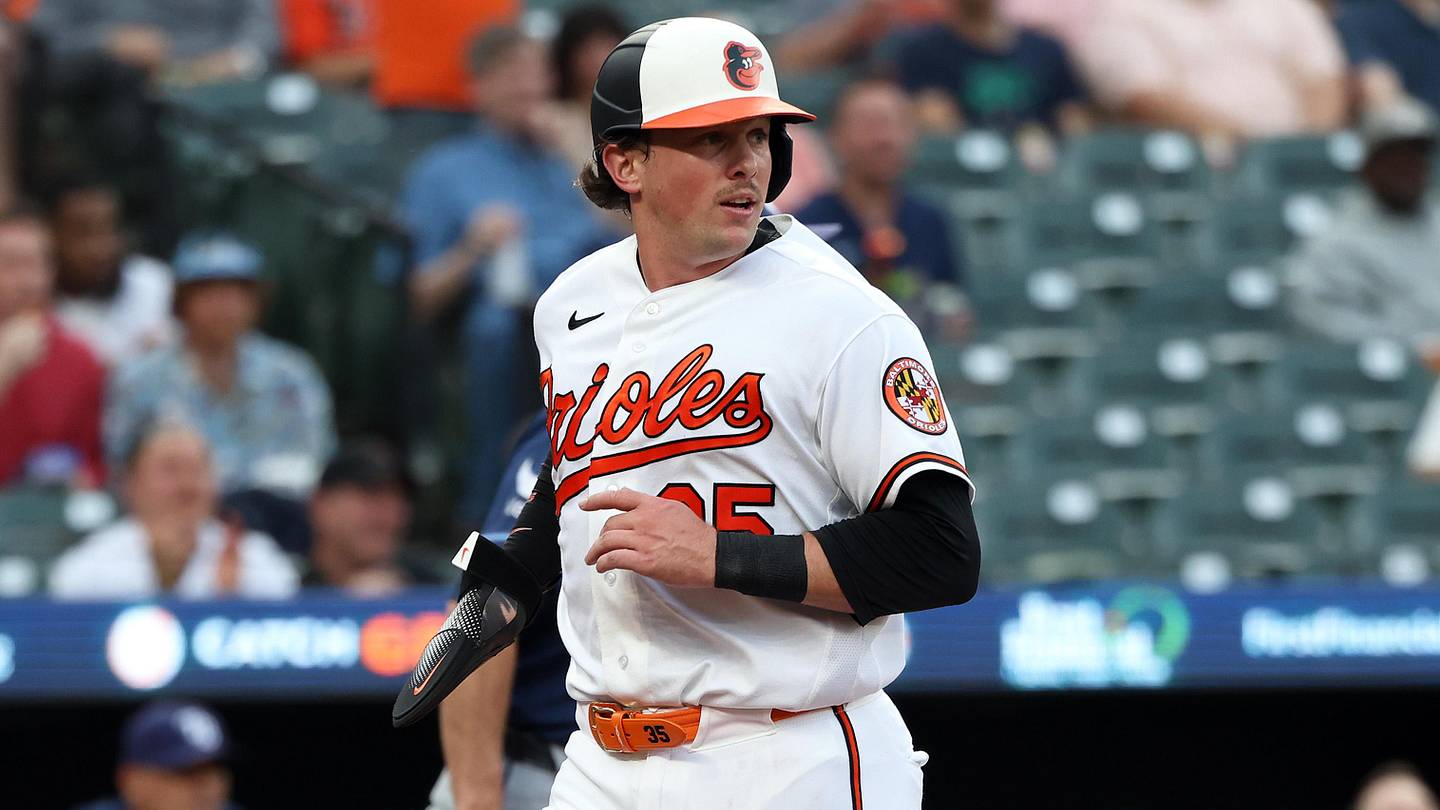
After spending the entire 2025 season at Double-A, Willems entered 2026 facing an important test.
Although he posted respectable numbers at Double-A, his production did not necessarily place him among baseball’s most talked-about prospects.
The Orioles nevertheless believed he was ready for the next challenge and assigned him to Triple-A Norfolk to begin the season.
The results have exceeded expectations.
Over the first several months of the season, Willems has emerged as one of the most productive offensive catchers in the upper levels of the minor leagues.
His combination of power, plate discipline, and run production has elevated his prospect status significantly.
More importantly, his offensive performance suggests he may be ready for a major league opportunity sooner rather than later.
For most organizations, that would be an exciting development.
For Baltimore, it creates a complicated problem.
Orioles Already Have a Crowded Catching Situation
The Orioles’ biggest challenge is simple: there is no obvious place for Willems to play.
Baltimore already features one of the strongest catching situations in baseball.
Former franchise cornerstone Adley Rutschman remains one of the most talented catchers in the game, while Samuel Basallo has rapidly emerged as another impact bat capable of playing behind the plate.
Both players are talented enough to demand regular at-bats.
Both are central pieces of Baltimore’s long-term plans.
And both are expected to remain major contributors for years to come.
Adding a third offense-first catcher into that equation becomes extremely difficult.
Unlike backup defensive specialists who can survive on limited playing time, offensive-minded catchers require consistent opportunities to continue developing and maximizing their value.
That reality leaves the Orioles with limited flexibility.
First Base Isn’t a Clear Solution Either
At first glance, moving Willems to first base may appear to solve the problem.
Unfortunately, that path comes with its own complications.
Baltimore recently committed significant resources to Pete Alonso, signing the slugging first baseman to a long-term contract expected to keep him in Baltimore for the foreseeable future.
Alonso remains one of baseball’s most durable everyday players.
His availability has become one of his greatest strengths.
Few players appear in more games annually, and his current consecutive games played streak ranks among the longest in Major League Baseball.
As a result, first base offers very little opportunity for a developing prospect seeking meaningful playing time.
Even if Willems were capable of handling the position, the Orioles would struggle to provide enough at-bats to justify keeping him blocked behind an established star.
Long-Term Outlook Raises More Questions
The roster crunch extends well beyond 2026.
Looking ahead, Baltimore’s situation remains crowded for years.
One theoretical opening could emerge if the Orioles choose not to extend Adley Rutschman beyond the 2027 season.
However, relying on that possibility creates multiple problems.
First, there is no guarantee Baltimore would allow Rutschman to leave.
Second, asking Willems to spend multiple additional seasons in Triple-A waiting for an uncertain opportunity would be difficult to justify.
And even in that scenario, Samuel Basallo would likely remain entrenched as one of the organization’s primary everyday players.
Simply waiting for an opening may not represent the best outcome for either side.
Orioles Have Faced Similar Situations Before
This dilemma is not entirely new for Baltimore.
Over the past several years, the organization has accumulated an impressive collection of position-player prospects.
However, several talented players remained blocked by major league roster construction, limiting their opportunities to establish value.
Names such as Kyle Stowers, Coby Mayo, Heston Kjerstad, and Connor Norby all experienced periods where playing time opportunities failed to materialize.
As those players remained stuck behind established contributors, their trade value gradually declined.
In some cases, Baltimore ultimately moved them after their prospect value had already decreased significantly.
That experience may influence how the organization handles Willems moving forward.
Creed Willems Could Become a Valuable Trade Asset
If the Orioles determine there is no realistic path to regular playing time, Willems could quickly become one of the organization’s most attractive trade chips.
Catchers with legitimate offensive upside are among the most difficult assets to acquire in baseball.
Organizations throughout the league are constantly searching for players capable of producing offensively while handling the demands of the catcher position.
Willems fits that profile.
A catcher capable of posting an OPS in the .800 range carries substantial value, particularly for teams lacking long-term solutions behind the plate.
At the same time, Baltimore continues to search for pitching help.
Despite possessing one of baseball’s strongest collections of young position players, the organization has consistently faced questions regarding starting pitching depth.
That imbalance creates a natural opportunity.
Using prospect depth to address major league pitching needs may ultimately prove to be the most logical path.
Orioles Must Avoid Repeating Past Mistakes
The emergence of Creed Willems represents both an opportunity and a challenge.
His development is a testament to Baltimore’s scouting and player-development system.
At the same time, it forces the front office to confront difficult roster realities.
Keeping a talented player blocked indefinitely benefits no one.
Willems deserves a legitimate opportunity to establish himself at the major league level.
The Orioles deserve to maximize the value of one of their most promising prospects.
Whether that future unfolds in Baltimore or elsewhere remains uncertain.
What appears increasingly clear, however, is that Creed Willems has outgrown Triple-A.
And as his offensive breakout continues, the Orioles may soon face a decision that could shape both his future and their own.