BOSTON — As the 2026 MLB season approaches the midpoint, the Boston Red Sox find themselves in a familiar, frustrating limbo. Sitting 3.5 games out of a Wild Card berth, the team faces mounting questions about their offensive potency, front office strategy, and the leadership of Chief Baseball Officer Craig Breslow. Despite maintaining a tentative presence in the playoff conversation due to the uneven performance of the American League, recent trade whispers suggest a sense of urgency bordering on desperation.
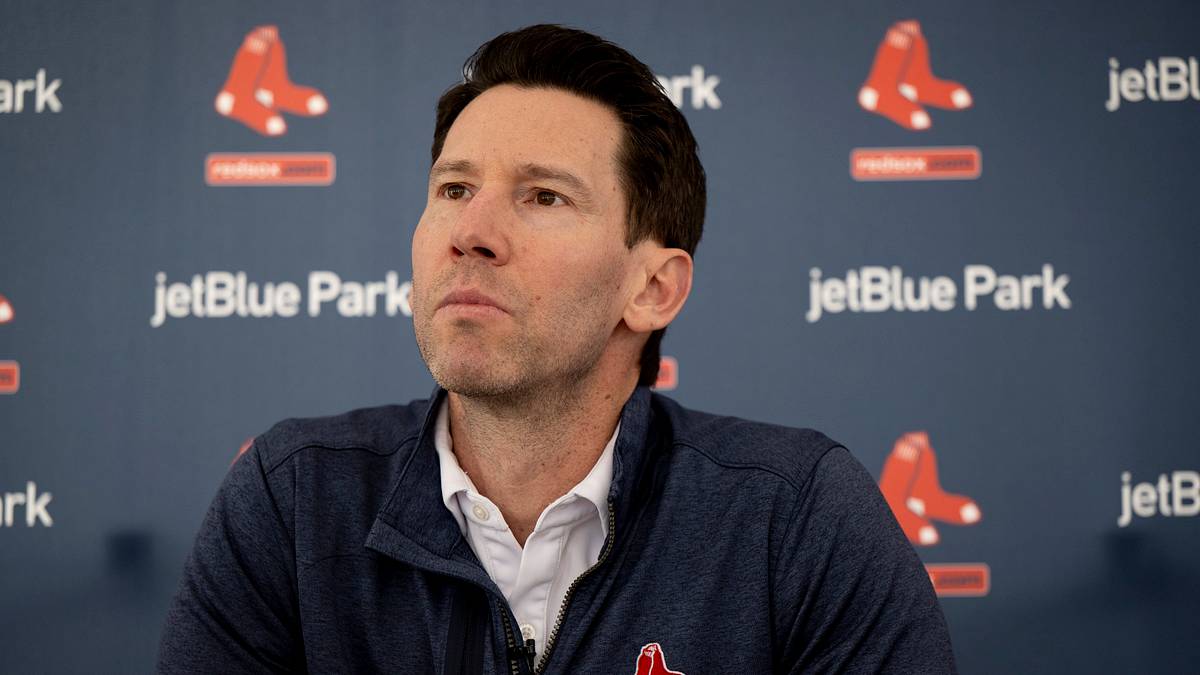
Sources close to the organization, including ESPN’s Buster Olney, indicate that the Red Sox are “aggressively seeking a right-handed power hitter” and may be open to absorbing a problematic contract to address the middle-order void. Olney’s reporting on The Just Baseball Show underscores that Breslow views a significant midseason acquisition as not only a potential salvager of the season but also a safeguard for his job security. Yet, the optics of these trade rumors raise pressing concerns about foresight and accountability.
The offensive struggles plaguing Boston did not appear overnight. They trace back nearly a year to the controversial trade of Rafael Devers on June 15, which left a lasting power gap in the lineup. Over the second half of last season, Boston ranked 27th in home runs, and as of now, the team sits second-to-last in the majors with just 46 homers. During the offseason, opportunities to acquire proven sluggers like Pete Alonso, Kyle Schwarber, and Eugenio Suárez were reportedly available, yet the front office passed. The result is a lineup entering the summer with a glaring void that requires urgent attention.
Compounding the issue is turbulence within the Red Sox organization. The decision to part ways with manager Alex Cora and six members of his coaching staff has intensified instability during a critical stretch of the campaign. While personnel changes can sometimes invigorate a team, in this case they appear emblematic of deeper dysfunction, leaving Breslow under immense pressure to deliver immediate results.
Trade strategies at this juncture carry high stakes. Absorbing a cumbersome contract for a temporary offensive fix could jeopardize future payroll flexibility and saddle the next regime with a lingering burden. With a possible work stoppage looming and a competitive window that should be wide open, the Red Sox risk repeating a pattern of short-termism that has plagued them in recent seasons.
For fans, the message is clear: reactive maneuvers in the face of preventable issues do little to inspire confidence. Boston’s path forward demands strategic planning, disciplined acquisitions, and roster cohesion—not desperation moves near the trade deadline. Whether Breslow can pivot effectively remains uncertain, but the current trajectory underscores a troubling truth: the Red Sox are once again navigating the consequences of mismanagement that might have been avoided with proactive leadership.