Dodgers Part Ways With Antoine Kelly as Cubs Take a Chance on High-Upside Left-Hander Amid Bullpen Concerns
The MLB transaction market delivered another intriguing move as the Los Angeles Dodgers agreed to trade left-handed pitcher Antoine Kelly to the Chicago Cubs, according to multiple reports, including Fabian Ardaya of The Athletic.
While the deal may not carry the headline-grabbing impact of a blockbuster trade, it has generated interest around the league because Kelly remains one of the more fascinating pitching projects in professional baseball.
The 26-year-old southpaw joined the Dodgers organization last November after signing a minor league contract, hoping a fresh start with one of baseball’s premier development systems would help unlock his long-awaited breakthrough.

Throughout his professional career, Kelly has consistently displayed elite strikeout potential, a trait that has kept organizations interested despite the inconsistencies that have followed him.
However, command and control issues have repeatedly prevented the talented left-hander from taking the next step and making his Major League debut.
Last season, while pitching for Colorado’s Triple-A affiliate, Kelly experienced another campaign filled with ups and downs.
Across 34 appearances, he posted a 5.63 ERA, a statistic that reflected the challenges he faced in maintaining consistency throughout the year.
Despite those struggles, the Dodgers saw enough upside to offer Kelly an opportunity within their system, believing their pitching infrastructure might help maximize his abilities.
Los Angeles also invited Kelly to participate in Spring Training, a sign that the organization viewed him as more than just organizational depth.
During camp, the left-hander rewarded that confidence with an impressive performance that caught the attention of evaluators.
Kelly threw 9 2/3 scoreless innings during Spring Training while recording an outstanding 34.2 percent strikeout rate.
Those numbers created optimism that the former Rockies prospect might finally be turning a corner in his development.
For a brief period, it appeared as though Kelly could emerge as a legitimate candidate for a call-up later in the season.
Unfortunately, once the regular season began at Triple-A Oklahoma City, maintaining that momentum proved difficult.
Although Kelly continued to generate strikeouts at an encouraging rate of more than one batter per inning, the same issue that had haunted him throughout his career resurfaced.
His walk rate ballooned to a massive 18.1 percent, making it difficult for him to consistently work out of trouble.
Giving opposing hitters free passes has long been the biggest obstacle standing between Kelly and the Major Leagues.
As a result, several advanced metrics painted a concerning picture of his overall performance.
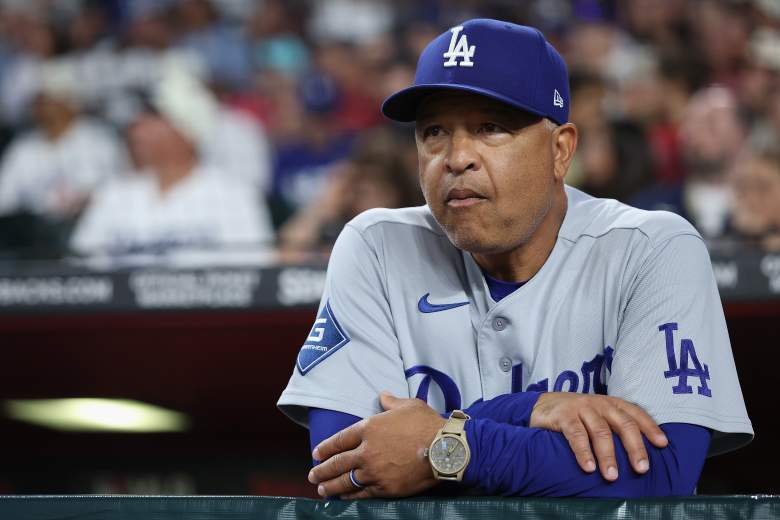
While pitching for the Oklahoma City Comets, Kelly produced a 5.16 expected ERA and a 6.38 xFIP, numbers suggesting his underlying performance remained below Major League standards.
With the Dodgers possessing one of the deepest organizations in baseball, opportunities to break into the big league bullpen were becoming increasingly limited.
That reality likely played a role in Los Angeles’ decision to move Kelly and provide him with a fresh opportunity elsewhere.
For the Cubs, the acquisition represents a classic low-risk, potentially high-reward move.
At this point, it remains unclear exactly what Chicago sent to Los Angeles in exchange for Kelly.
However, league observers believe the return package was likely minimal and unlikely to significantly impact either organization.
That makes the transaction a relatively inexpensive gamble for the Cubs.
Chicago’s front office appears willing to bet on Kelly’s raw talent and hope that a change of scenery can help him realize his potential.
The timing of the move also makes sense considering the current state of the Cubs’ bullpen.
Injuries have affected several members of Chicago’s relief corps, forcing the organization to search for additional depth options.
To their credit, Cubs relievers have managed to keep the unit competitive throughout the season.
The bullpen currently owns a respectable 3.69 ERA, a figure that has helped Chicago remain in contention.
However, advanced metrics tell a slightly different story.
The Cubs’ relievers carry a 4.51 expected ERA, suggesting the group may have benefited from some favorable circumstances.
In other words, regression could become a concern if the organization fails to reinforce the bullpen.
That possibility likely contributed to Chicago’s decision to pursue Kelly.
Even though his results have been inconsistent, the left-hander’s strikeout ability remains highly attractive.
Pitchers who can miss bats are always valuable commodities, especially in today’s game where bullpen depth often determines postseason success.
If Kelly can improve his command and reduce the number of walks, he could quickly become a useful contributor.
The Cubs have also earned a reputation for helping pitchers rediscover their careers after struggling elsewhere.
Several players have experienced success following developmental adjustments made by Chicago’s coaching staff.
That track record may have convinced the organization that Kelly is worth investing in.
At just 26 years old, the former Dodgers prospect still has plenty of time to establish himself at the Major League level.
His powerful arm and ability to generate strikeouts continue to provide reasons for optimism.
Now, all eyes will be on whether the Cubs can unlock the potential that multiple organizations have seen in Antoine Kelly.
Will this ultimately become a minor transaction that fades from memory?
Or could Chicago become the team that finally helps Antoine Kelly reach the Major Leagues and fulfill the promise that has followed him throughout his career?
Only time will provide the answer, but history has shown that sometimes the most overlooked moves end up producing the biggest surprises.