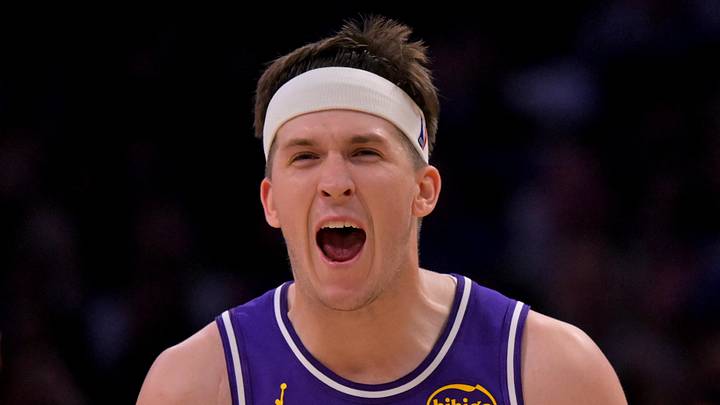
A contract worth more than $40 million per season would represent a significant gamble for any team, and for the Los Angeles Lakers, it could become a defining decision of the 2026 offseason.
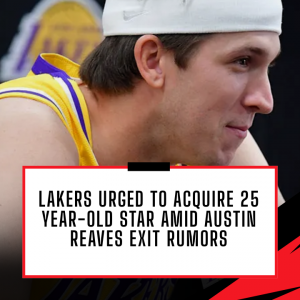
Austin Reaves has established himself as a borderline star, a player on the verge of breaking through to an even higher level. That development has made him one of the Lakers’ most important offseason priorities, but it has also turned his next contract into a major point of debate.
If recent speculation proves accurate and Reaves commands a salary exceeding $40 million per year, the Lakers may need to seriously consider alternative roster-building options in free agency.
Reaves and franchise cornerstone Luka Dončić have shown strong on-court chemistry during their first full season as teammates. However, Reaves’ postseason performances have been inconsistent, continuing a trend that has followed him over the past several years. That concern has only intensified after recent reporting on his market value.
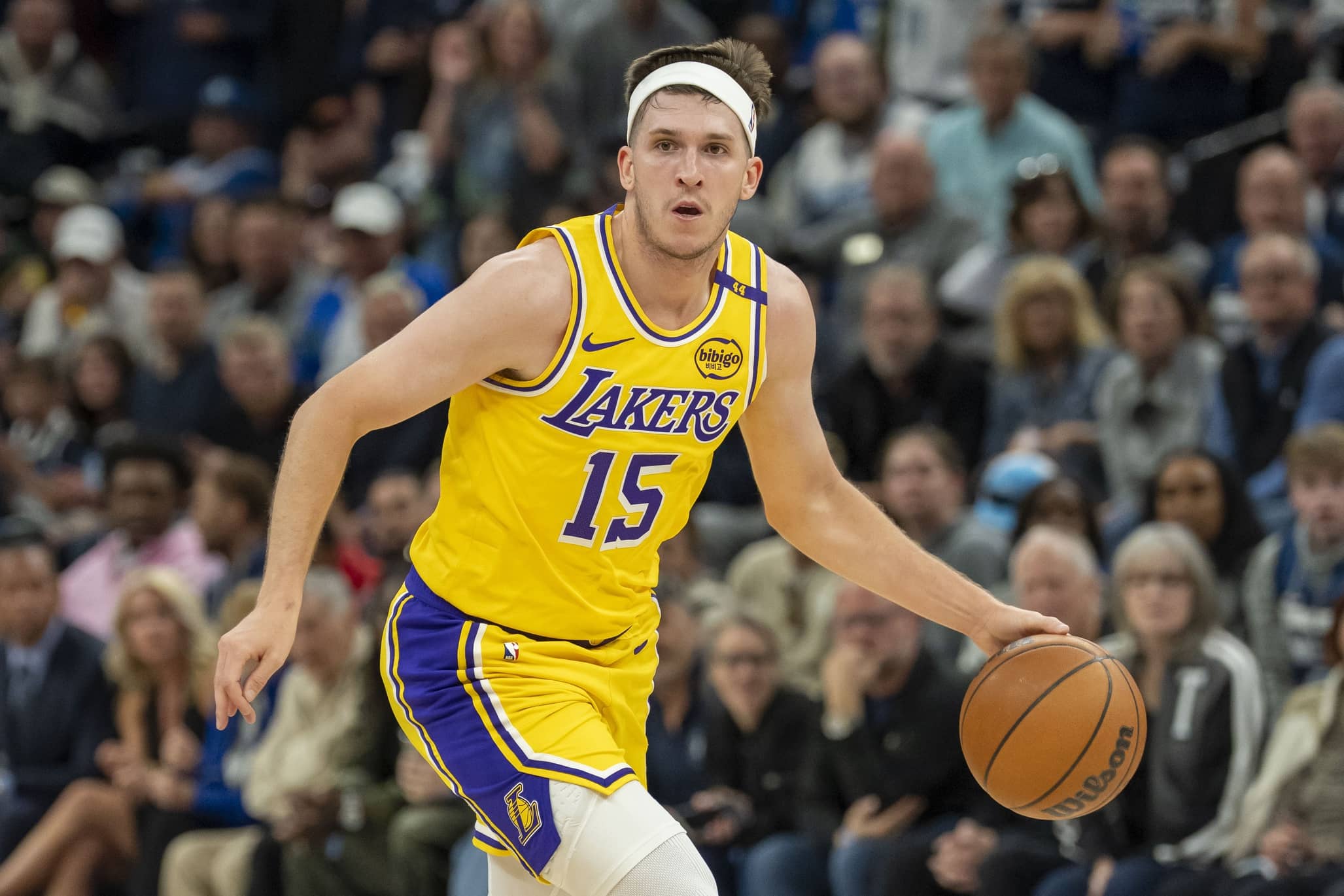
According to Tim Bontemps of ESPN, scouts and executives believe Reaves will land a deal below the maximum contract he is eligible for, which could reach up to $239 million over five years, based on projections from ESPN’s Bobby Marks.
Bontemps also relayed one Eastern Conference scout’s expectation that Reaves could earn at least $40 million annually.
“I’d be pretty surprised if the first year starts with a 3 instead of a 4,” the scout said. “But the Lakers need to keep him, and by all accounts he wants to be there, so I think they make it work.”
Despite Reaves’ clear growth and value as a high-level contributor, the Lakers face a difficult decision. Paying him at that level would require careful consideration of salary cap restrictions, especially under the league’s increasingly strict apron system.
With the Lakers potentially entering a critical phase of the Dončić era, every financial decision becomes more significant. Allocating a large portion of future cap space to Reaves would reduce flexibility for roster upgrades and limit potential moves around the franchise cornerstone.
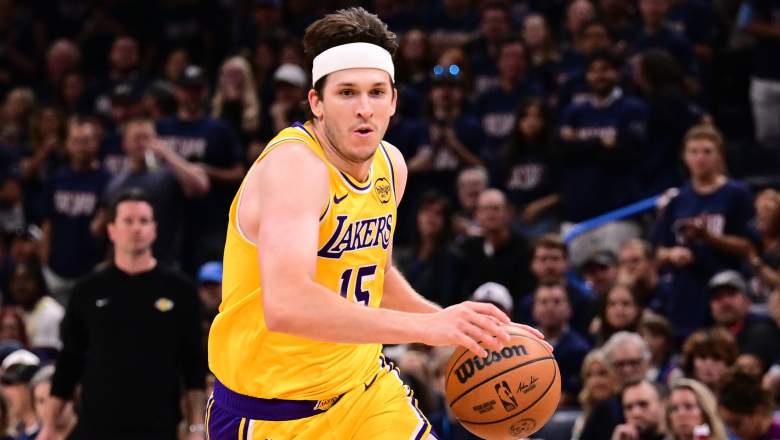
That context becomes even more important when evaluating Reaves’ postseason production. Over his last three playoff appearances, he has shot 42.7 percent from the field and just 28.7 percent from three-point range—numbers that raise questions about his ability to consistently perform on the biggest stage.
While Reaves has shown steady improvement throughout his career and remains a strong candidate to develop into an All-Star-level player, a contract at $40 million per season would be a major commitment. It would also be difficult to move in the future if his performance does not match expectations.
In that scenario, the Lakers would effectively be tying a significant portion of their long-term future to Reaves’ continued development and his ability to take another leap forward.
Ultimately, Los Angeles must weigh upside against risk. If the front office determines that the financial commitment is too steep, it would not be unreasonable for the Lakers to explore other roster options rather than make a long-term bet of that magnitude.

Either way, Reaves’ next contract is shaping up to be one of the most important decisions of the Lakers’ 2026 offseason.