Early Evaluation of the Twins’ 2026 Offseason Moves: Two Decisions Looking Brilliant — and Two Already Raising Concerns
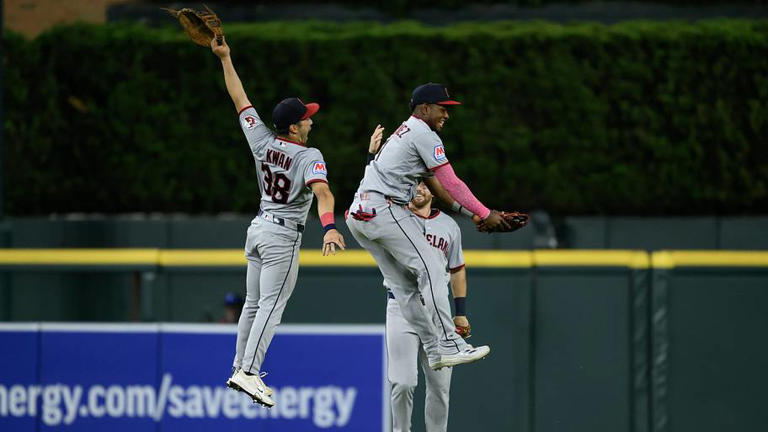
The Minnesota Twins entered the 2026 season facing significant pressure after another inconsistent campaign left fans questioning whether the organization had done enough to remain competitive in the American League. Throughout the offseason, Minnesota made several under-the-radar roster decisions designed to improve depth, stabilize the lineup, and strengthen the pitching staff without dramatically increasing payroll.
Now, with the season beginning to take shape, some of those moves are already producing excellent returns — while others are beginning to look increasingly problematic.
It is still early in the 2026 MLB season, and plenty can change over the next several months. Baseball has a way of flipping narratives quickly, especially over a 162-game schedule. However, based on the opening stretch of the season, there are already clear winners and losers among the Twins’ offseason decisions.
Here’s an early breakdown of two Twins offseason moves that currently look genius — and two that are becoming major disappointments.
2 Twins Offseason Decisions That Look Genius
Tendering OF Trevor Larnach a Contract
One of the biggest surprises of the early season has been the emergence of Trevor Larnach as one of Minnesota’s most productive hitters.
During the offseason, many Twins fans questioned why the organization decided to tender Larnach a contract. Prior to 2026, he had shown flashes offensively but had never fully developed into the consistent middle-of-the-order bat the team once envisioned. Defensively, he had also struggled at times, leading some to wonder if the Twins should move on entirely.
Instead, Minnesota showed patience — and that decision is paying off in a major way.
Through 146 plate appearances this season, Larnach has produced an impressive .279/.397/.402 slash line while posting a strong 131 wRC+. His ability to consistently reach base has added much-needed stability to the Twins lineup, especially during stretches where other hitters have struggled.
While the power numbers are still modest with only two home runs and 14 RBI, Larnach’s overall offensive value has been extremely important. His improved plate discipline and ability to work deep counts have helped transform him into a far more complete hitter than previous seasons suggested.
Perhaps even more encouraging is the defensive improvement.
After posting -3 Defensive Runs Saved (DRS) last year, Larnach has already recorded +3 DRS in 2026, showing major growth in left field. That defensive turnaround has helped increase his overall value significantly.
Currently tied with Austin Martin for the fifth-best fWAR on the team at 1.1, Larnach has quietly become one of the Twins’ most reliable contributors.
If he continues this level of production throughout the season, tendering him a contract could end up being viewed as one of Minnesota’s smartest offseason decisions.
Trading for RHP Eric Orze
Another move looking increasingly brilliant is the Twins’ acquisition of right-handed reliever Eric Orze from the Tampa Bay Rays.
Minnesota acquired Orze in November in exchange for minor-league pitcher Jacob Kisting. At the time, the trade generated little national attention. However, it has quickly turned into one of the most effective under-the-radar moves of the offseason.
Orze has emerged as arguably the Twins’ best reliever through the early part of 2026.
In 24 innings pitched, he has posted:
- 3.38 ERA
- 2.96 FIP
- 20.4% strikeout rate
More importantly, Orze has consistently delivered in high-leverage situations and provided stability to a bullpen that desperately needed dependable late-inning options.
His advanced metrics have been equally encouraging. Among Twins relievers, Orze currently leads the bullpen in both fWAR (0.5) and bWAR (0.6), highlighting just how valuable he has been.
For a relatively low acquisition cost, Minnesota appears to have found a controllable bullpen arm capable of playing a major role throughout the season.
2 Twins Offseason Decisions That Look Awful
Signing 1B/DH Josh Bell
Not every offseason move has worked out positively for Minnesota.
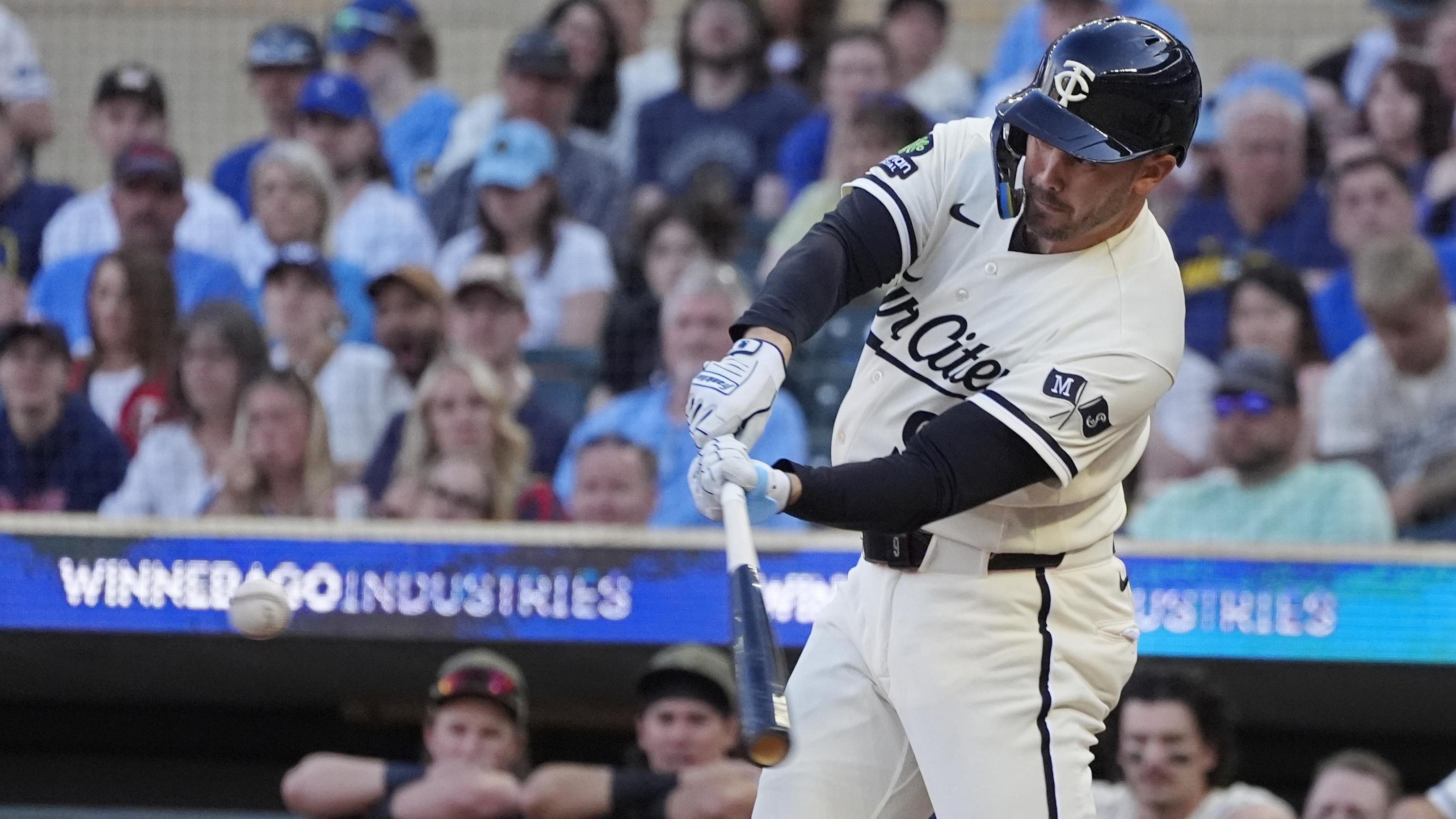
The Twins signed veteran first baseman Josh Bell to a one-year, $7 million deal in December, hoping he could add power and experience to the middle of the lineup.
Initially, the move appeared successful.
Through April 19, Bell looked like one of the team’s best offensive additions, slashing .263/.352/.447 with a 126 wRC+, while contributing three home runs, five doubles, and 15 RBI across 88 plate appearances.
Since then, however, his production has collapsed dramatically.
Bell’s overall season line has fallen to .228/.294/.353 with an 83 wRC+, well below league-average offensive production for a player expected to provide middle-order power.
Even more concerning is the decline in his power numbers. Since April 19, Bell has managed only two home runs, leaving the Twins without the offensive punch they expected when signing him.
Defensively, the situation has not been much better.
Bell has posted:
- -1 Defensive Runs Saved (DRS)
- -1 Outs Above Average (OAA)
While the season is far from over, the veteran slugger currently looks more like a struggling roster liability than a productive offensive solution.
If Bell cannot rediscover his early-season form soon, this contract could quickly become one of the Twins’ biggest regrets of the offseason.
Signing C/1B Victor Caratini
The signing of Victor Caratini is another move that has generated growing frustration among Twins fans.
Minnesota signed the veteran catcher and first baseman to a two-year, $14 million contract after his stint with the Houston Astros, hoping his versatility and switch-hitting bat would strengthen roster depth.
Instead, Caratini has struggled badly at the plate.
Across 38 games, he has posted a disappointing:
- .186 batting average
- .292 on-base percentage
- .246 slugging percentage
- 58 wRC+
Those numbers fall well below expectations for a player expected to provide reliable offensive production in multiple lineup situations.
The timing of his struggles makes the issue even more concerning.
With catcher Ryan Jeffers expected to miss six to eight weeks after hamate surgery, Minnesota desperately needs Caratini to step up offensively. So far, that simply has not happened.
There are at least a few positives.
Defensively, Caratini has reportedly been strong behind the plate, particularly as a pitch framer. He has also excelled at utilizing MLB’s ABS challenge system, giving the Twins additional value in game management situations.
Still, defense alone will not justify the contract if his offensive struggles continue throughout the season.
Plenty of Time for Narratives to Change
While some offseason decisions already appear successful and others look disappointing, it remains far too early to make final judgments.
Baseball seasons are unpredictable, and performance can shift dramatically over the course of several months. Players who struggle early can suddenly heat up, while hot starts can cool off quickly.
Still, through the first stretch of the 2026 season, the Twins appear to have hit on several underrated moves — particularly with Trevor Larnach and Eric Orze — while also facing growing concerns surrounding Josh Bell and Victor Caratini.
As the season continues, these decisions could play a major role in determining whether Minnesota can remain competitive in the crowded American League playoff race.