Blue Jays Edge Yankees 2‑1 in Classic Pitchers’ Duel at Yankee Stadium — Game 4 Recap & Expert Analysis
In a tense, rain‑delayed matchup at Yankee Stadium on Wednesday night, the Toronto Blue Jays narrowly defeated the New York Yankees 2‑1 in Game 4 of their four‑game MLB series. What was billed as a marquee showdown between two rising young arms quickly became a fascinating pitchers’ duel, highlighting both teams’ strengths and struggles as the 2026 Major League Baseball season continues.
By game’s end, it was Blue Jays right‑hander Trey Yesavage who stole the headlines with a composed, elite performance, while Yankees starter Cam Schlittler once again showed why he’s considered one of the brightest young pitchers in the game — even in defeat.
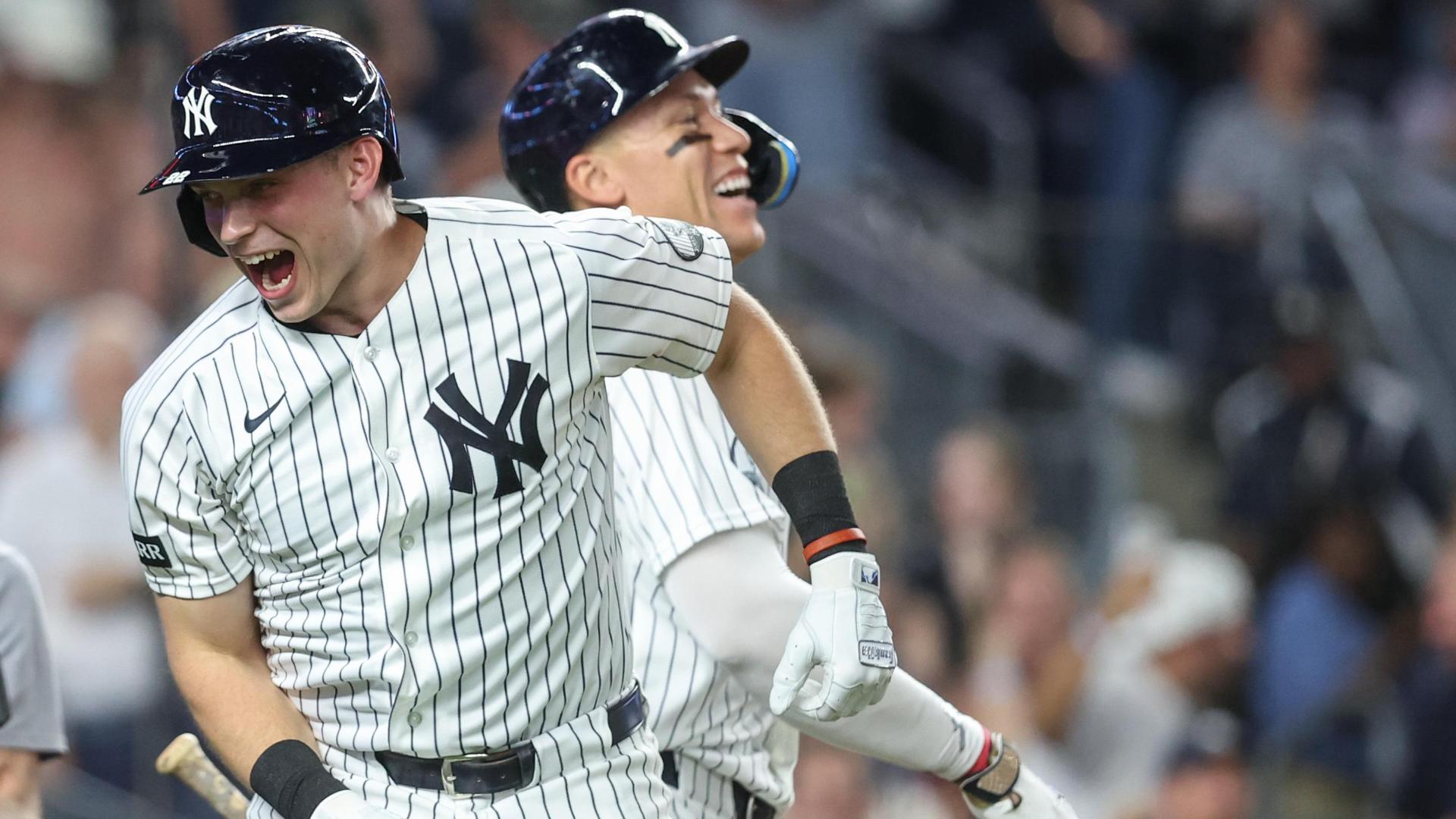
Rain Delay Sets the Stage for a Tight Battle
Rain threatened the series all day in the Bronx, pushing back Wednesday’s start time and adding to the drama of an already crucial mid‑season confrontation. Expected to be a showcase for the Bronx Bombers’ potent offense against a struggling Toronto lineup, the reality was far more pitchers’‑centric once the first pitch was finally thrown.
With both clubs fighting for momentum mid‑season — the Yankees sitting near the top of the American League East and the Blue Jays seeking to climb back above .500 — this installment of their 2026 rivalry carried playoff‑style tension not often seen this early in the schedule.
Starting Pitching: Yesavage vs. Schlittler
From the first inning, Yesavage dominated. The 22‑year‑old right‑hander scattered just two hits over six shutout innings, striking out eight and consistently painting the edges of the strike zone. He was especially impressive against New York’s electric top of the order, including multiple strikeouts of perennial MVP candidate Aaron Judge.
Schlittler, meanwhile, continued to cement his breakout 2026 campaign. Entering the game with one of the best ERAs in the league, the Yankees rookie dazzled early, keeping hitters off balance with a mix of high‑velocity fastballs and sharp breaking stuff. He went into the seventh inning with a zero on the scoreboard, but a couple of missteps led to two Toronto runs that proved decisive.
Late‑Inning Drama and Key Moments
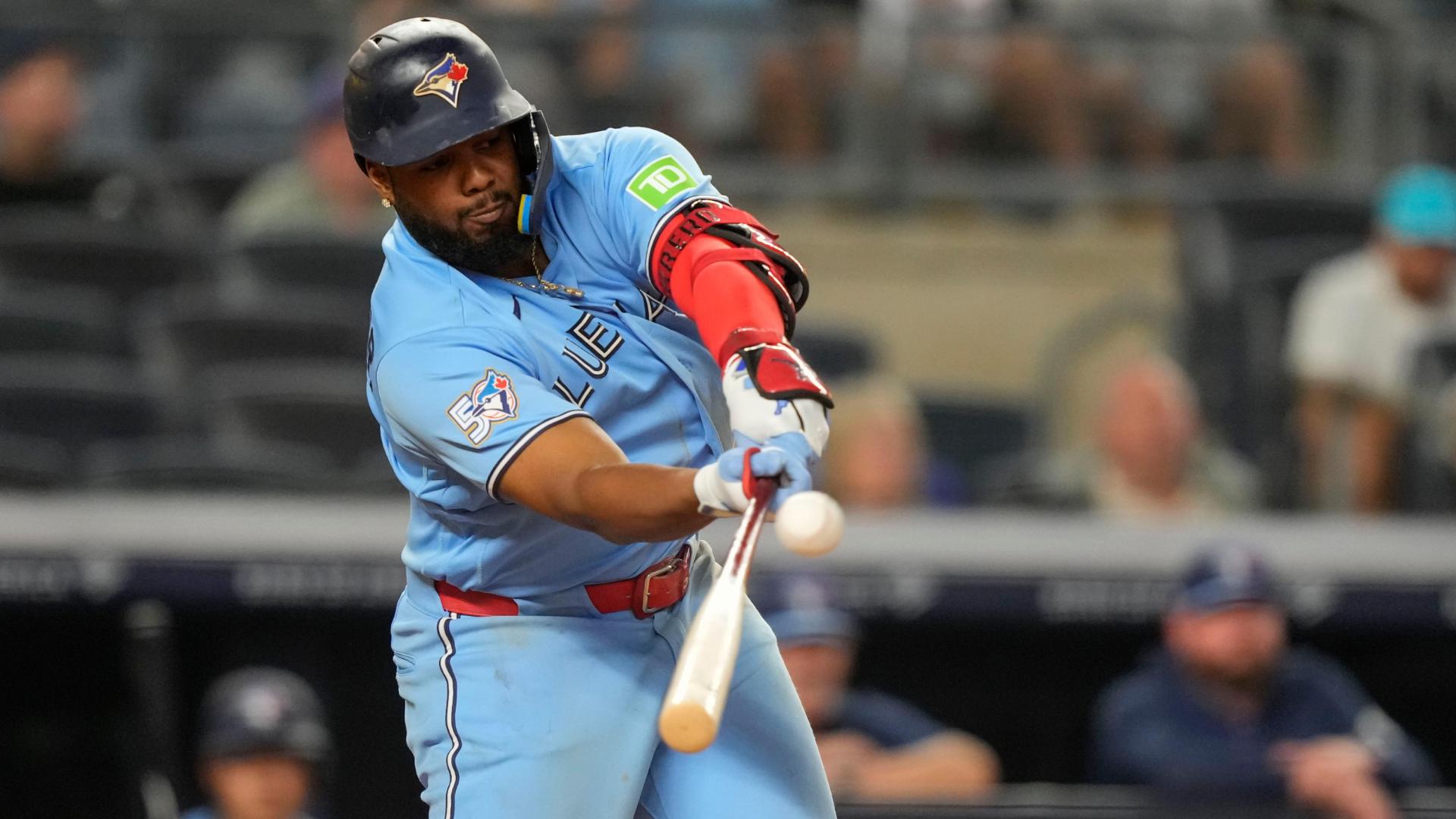
The game remained scoreless deep into the frame until the seventh inning, when the Blue Jays unleashed a small but perfectly executed rally. After a combination of an infield single, a walk, and aggressive offensive execution, the Jays loaded the bases. A pivotal 11‑pitch walk drawn by Andrés Giménez finally brought home the series’ first run, followed by a sac‑fly that extended the lead.
New York threatened late, mustering life in the ninth with runners on base and a run finally crossing on a soft RBI grounder. But the Yankees never could string enough hits together to fully capitalize, with one of their key hitters — Amed Rosario — striking out to end the threat.
Offensive Struggles From New York
Unlike their explosive batters of recent years, the Yankees’ offense was unusually muted. Against a Blue Jays staff that has found new life in 2026, the Bronx’s lineup struggled to put pressure on Yesavage and the bullpen that followed. While Paul Goldschmidt did drive in the lone Yankees run in the ninth, it was too little, too late.
This comes on the heels of a strong victory just the night before, when Ben Rice and Ryan McMahon provided key power in a 5‑4 win — showing that New York’s offense can produce when its timing clicks. But Wednesday night’s result revealed how dependent they still are on timely hitting rather than sustained offense against quality pitching.
Bullpen and Depth Tests
Toronto’s bullpen was an unsung hero in this matchup. After Yesavage exited following his six‑inning gem, the Jays’ relievers preserved the tight lead with efficient and composed work. Each arm in the pen contributed, showcasing the depth Toronto has assembled — a key reason they’ve stayed competitive this season despite various injuries and struggles early on.
In contrast, the Yankees bullpen has shown flashes of excellence interspersed with inconsistency. While relievers like Yovanny Cruz offered high‑velocity bursts in their MLB debuts, others have struggled with command and control this season, turning otherwise winnable games into tense finales.
What This Means for Each Club
For the Blue Jays, the win is a confidence booster and a sign that even elite pitching staffs can be vulnerable. Yesavage’s performance, in particular, suggests that Toronto’s young arms may finally be living up to their vast potential — something that desperately needed showcasing after a slow start to the year. Their ability to manufacture runs in key spots, even against strong competition, reflects a more disciplined, methodical lineup.
For the Yankees, this loss is a reminder that big‑market stars and slugging metrics don’t always translate into victories unless paired with consistent pitching and timely hitting. Despite flashes of brilliance from Schlittler and the offense in recent games, New York’s inability to convert opportunities cost them their chance to pull ahead in this series.
Expert Takeaways and Outlook
Baseball analysts have been split on how to view this series. Some see the Yankees as a powerhouse that simply had an off night — especially given their performance on Tuesday. Others interpret this game as validation that the Blue Jays are no longer underdogs; rather, they’re a team capable of beating elite opponents in the Bronx.
Looking ahead, if these two clubs meet again later in the season, both teams will take valuable lessons from this showdown. Depth, pitching, and clutch hitting — not just star power — will decide outcomes in tight contests like this one.
**Final Score: Blue Jays 2, Yankees 1
**Pitching Matchup MVP: Trey Yesavage
**Key Moment: 11‑pitch walk and sac fly in 7th inning
**Next Up: Both teams prepare for series finale and remaining 2026 schedule.